

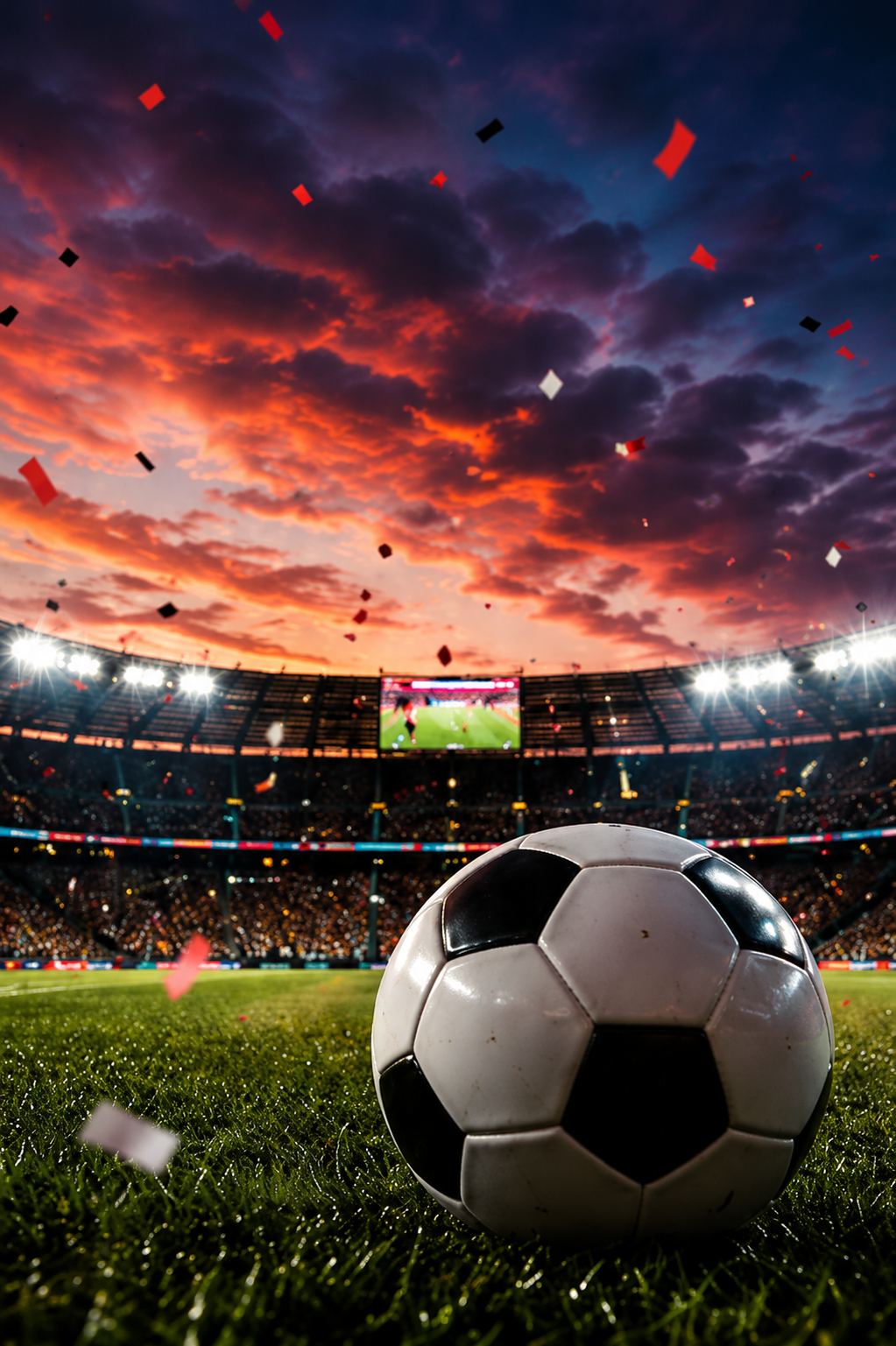
What the 2026 World Cup Is Teaching Us About Modern Marketing
The 2026 FIFA World Cup is the biggest sporting event of the year. For marketers, it's also one of the best live case studies in how consumer behavior, media consumption, and brand strategy continue to evolve.
Global events like the World Cup have always attracted attention. What's different today is how audiences experience them. Fans aren't simply watching a match—they're participating across platforms, interacting with brands, and creating new expectations for how companies show up before, during, and after the event.
Whether your brand is an official sponsor or simply watching from the sidelines, there are valuable lessons to take away.

Multi-Screen Is No Longer an Emerging Trend—It’s the Default
Fans split their attention across multiple devices and platforms. Campaigns should be designed for connected experiences, with mobile-first creative and complementary content that works in seconds.

Sponsorship Is Becoming a Platform for Collaboration
Brands are pairing athletes with entertainers, creators, and cultural icons to spark conversations that extend beyond traditional advertising and create lasting relevance.

The Customer Journey Didn’t Begin at Kickoff
The strongest campaigns build awareness early, activate during peak moments, and extend engagement after the final whistle. Momentum is built intentionally over time.
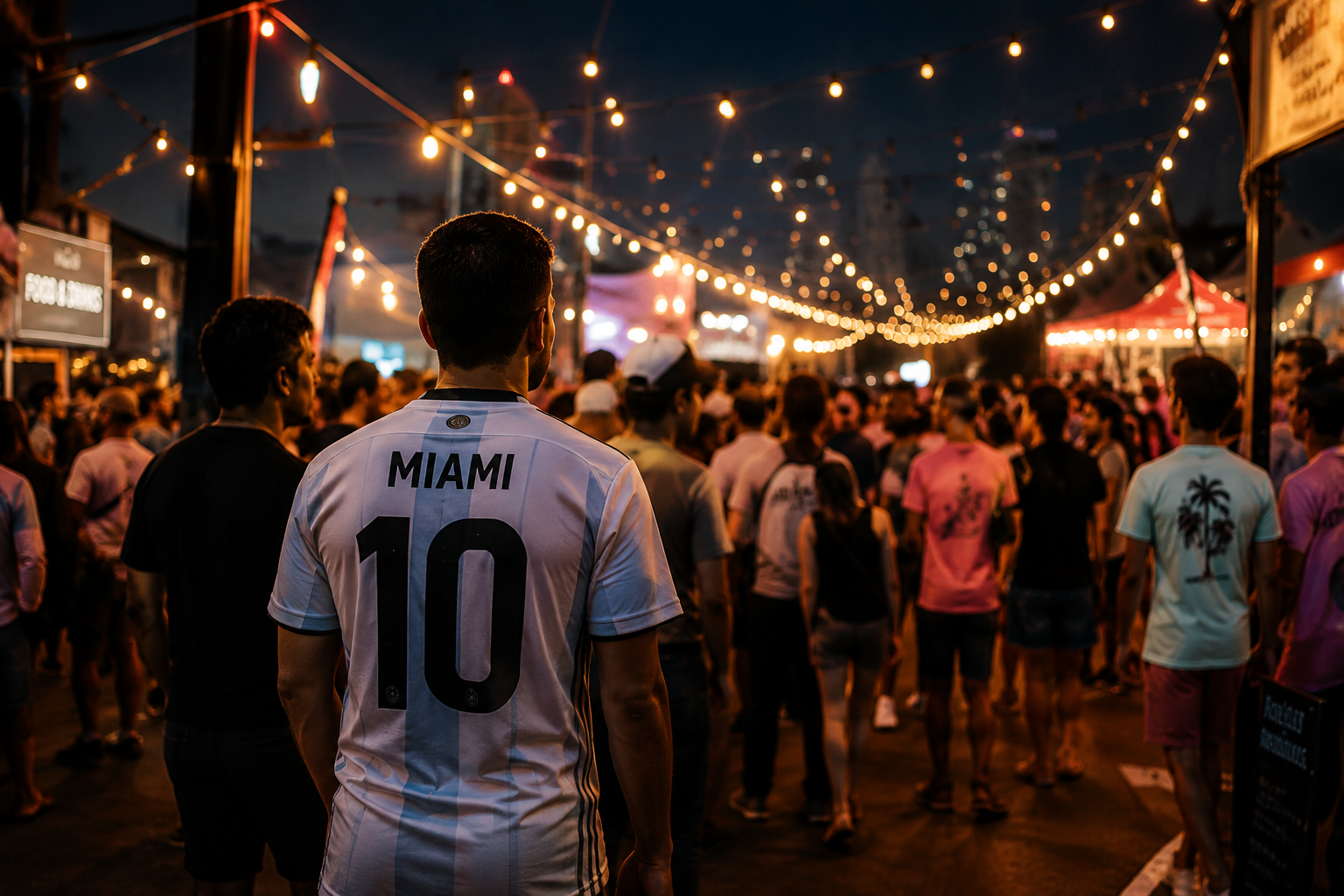
Experience Is Becoming the Marketing
The most memorable moments happen in fan zones, local events, and community experiences that invite participation. It’s about involvement, not just impressions.
the bigger opportunity
The World Cup is often viewed as one of the largest advertising stages in the world.
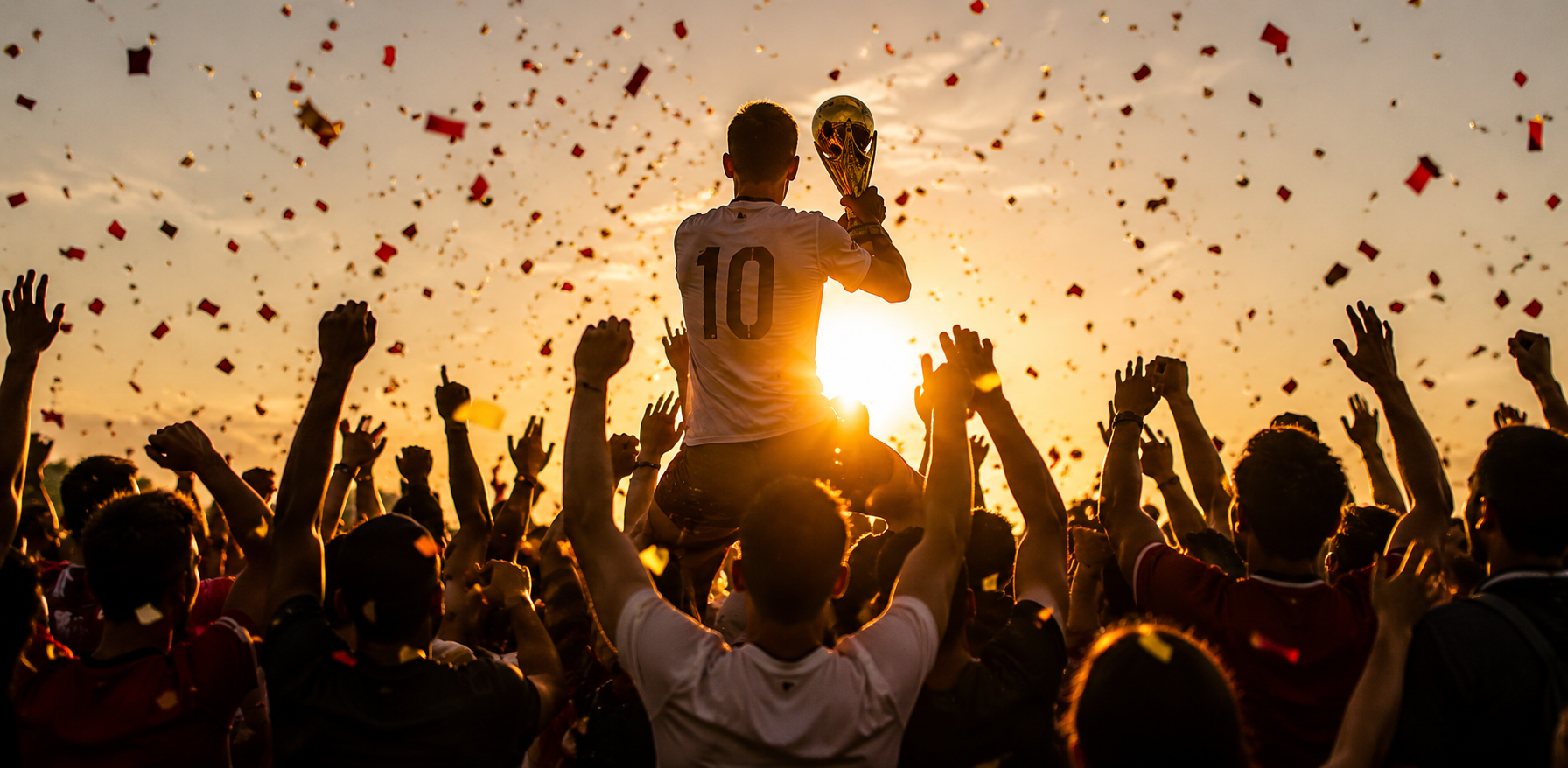
But its greatest value for marketers may be something else entirely.
It gives us an opportunity to observe where consumer behavior is already moving.
People expect connected experiences. They respond to authentic collaborations. They engage with campaigns that unfold over time. And increasingly, they want to participate—not just consume.
Those behaviors won't disappear when the tournament ends. They're becoming the standard for how people interact with brands across every industry. For marketers, that's the real lesson.
The biggest moments don't just generate attention.
They reveal what's next.
ready to build campaigns that turn market shifts into growth?
Whether you're exploring emerging channels, experiential activations, or integrated media strategies, NoLie Communications helps brands turn market shifts into measurable growth. We'd love to start the conversation.
