

Holiday marketing advice has a timing problem.
Every year, brands are told the season starts earlier. It does. But here is the more useful thing: the 2026 holiday shopper is prepared to spend, but not always prepared to decide.
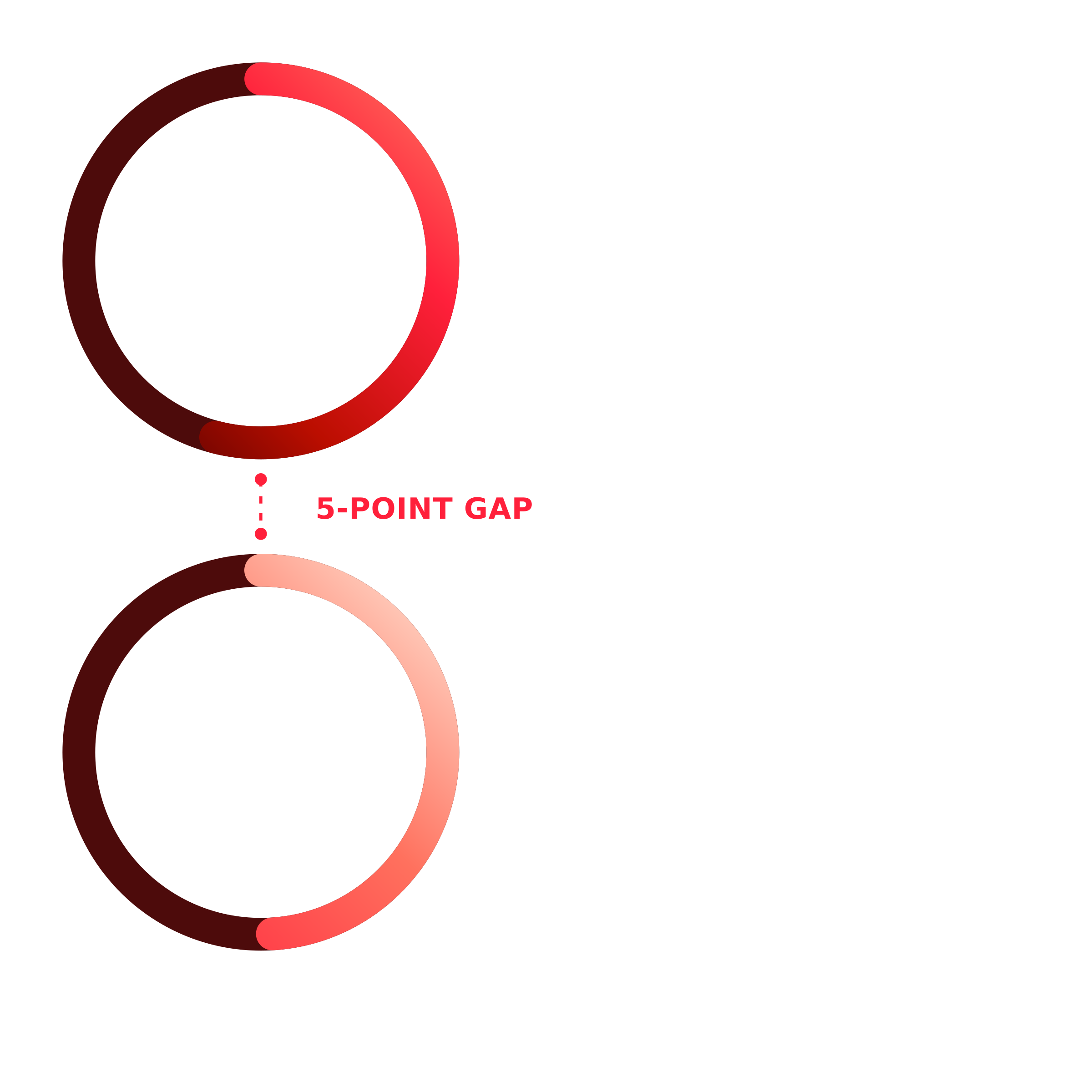
Zeta's 2026 survey of 7,600 U.S. consumers found that 54% plan to spend more than $500 on gifts, including one-third who expect to spend more than $1,000. Yet only 49% say they feel confident after making a holiday purchase. The other 51% say they often second-guess their decisions or frequently regret or return what they bought.
That gap is the opportunity.
More traffic into a confusing experience is still a confusing experience. The brands that win Q4 will make it easier for shoppers to understand their options, trust their choice and move forward without opening six more tabs first.
More Information Isn't Making Decisions Easier
Holiday shopping has always carried some pressure. You are spending more than usual, buying for other people and working against a real deadline. Now add an endless assortment, overlapping promotions, conflicting reviews and recommendations arriving from every direction.
Deloitte found that 58% of surveyed shoppers consider holiday shopping stressful. Accenture's 2025 global holiday survey went further: 76% of consumers said they feel overwhelmed by too many product choices, and 85% said frustration or indecision could cause them to abandon a cart altogether.
The answer is not necessarily fewer products. It is a clearer way through them. Another promotion only helps when it resolves a real barrier. Another product ad only helps when it adds something the shopper did not already know.

The Holiday Shopper Is Doing More Homework
Shoppers are actively pressure-testing the decision. Bazaarvoice's 2026 Shopper Experience Index found that 97% consult multiple sources before buying: 60% need two or three, while 37% consult four or more.
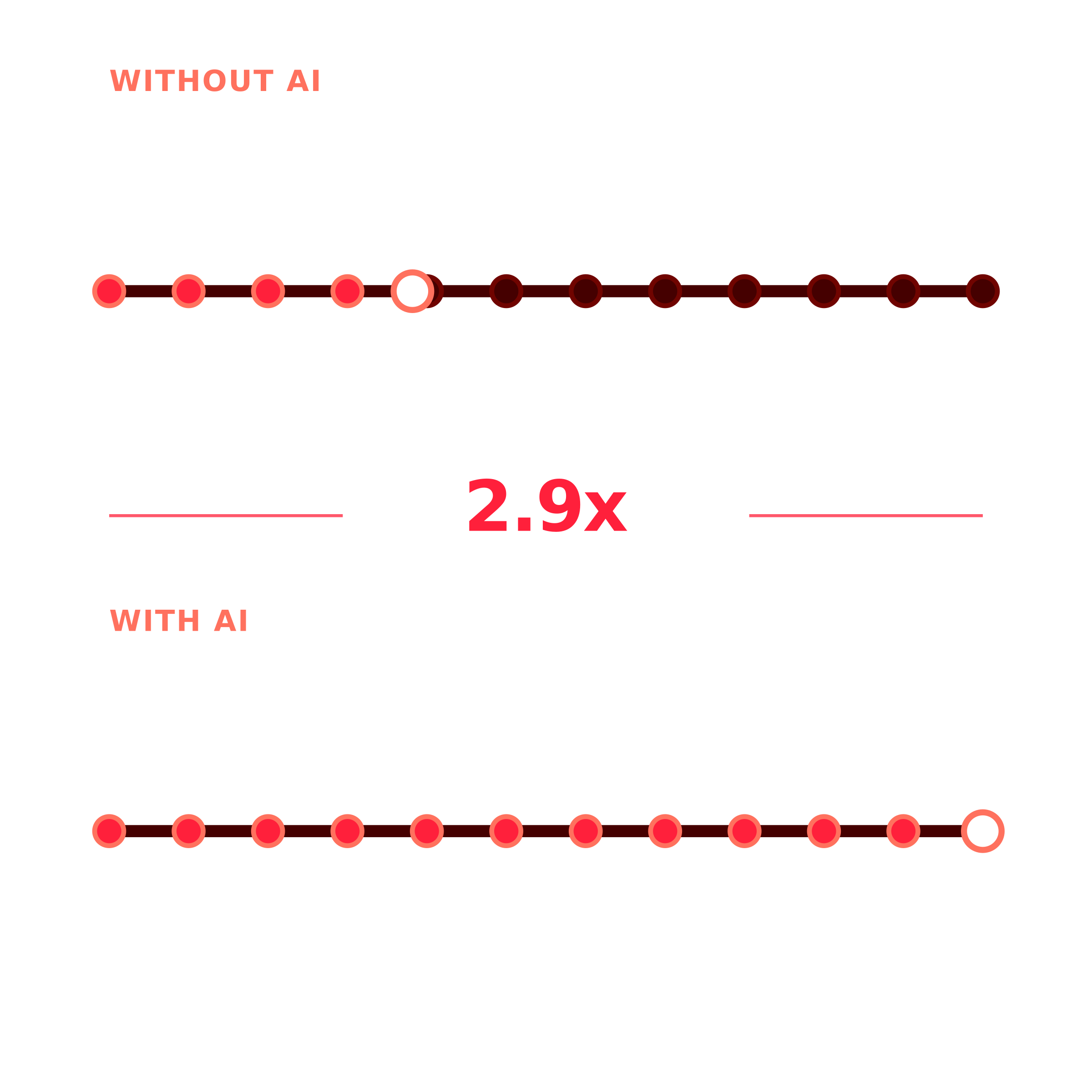
AI is adding another layer. Google-commissioned Ipsos research found that shoppers using AI during a considered purchase journey encountered an average of 12.1 touchpoints, compared with 4.2 among non-users. Yet 69% said AI helps them cut through clutter, and three in four said AI Mode or AI Overviews helped them decide faster and with more confidence.
AI is not eliminating consideration. It is helping shoppers conduct more of it. For brands, the AEO/GEO implication is refreshingly practical: make product information easier for people - and answer engines - to understand. Clear use cases, descriptive attributes, accurate availability, visible reviews and straightforward comparisons now influence discovery and confidence at the same time.
Build the Confidence Layer Before Q4
Holiday preparedness should identify every place a shopper could hesitate - and put something useful there.
Build Gift Guides Around Real Decisions
Most gift guides are organized around the brand's catalog. Shoppers are organizing around a person and a problem.
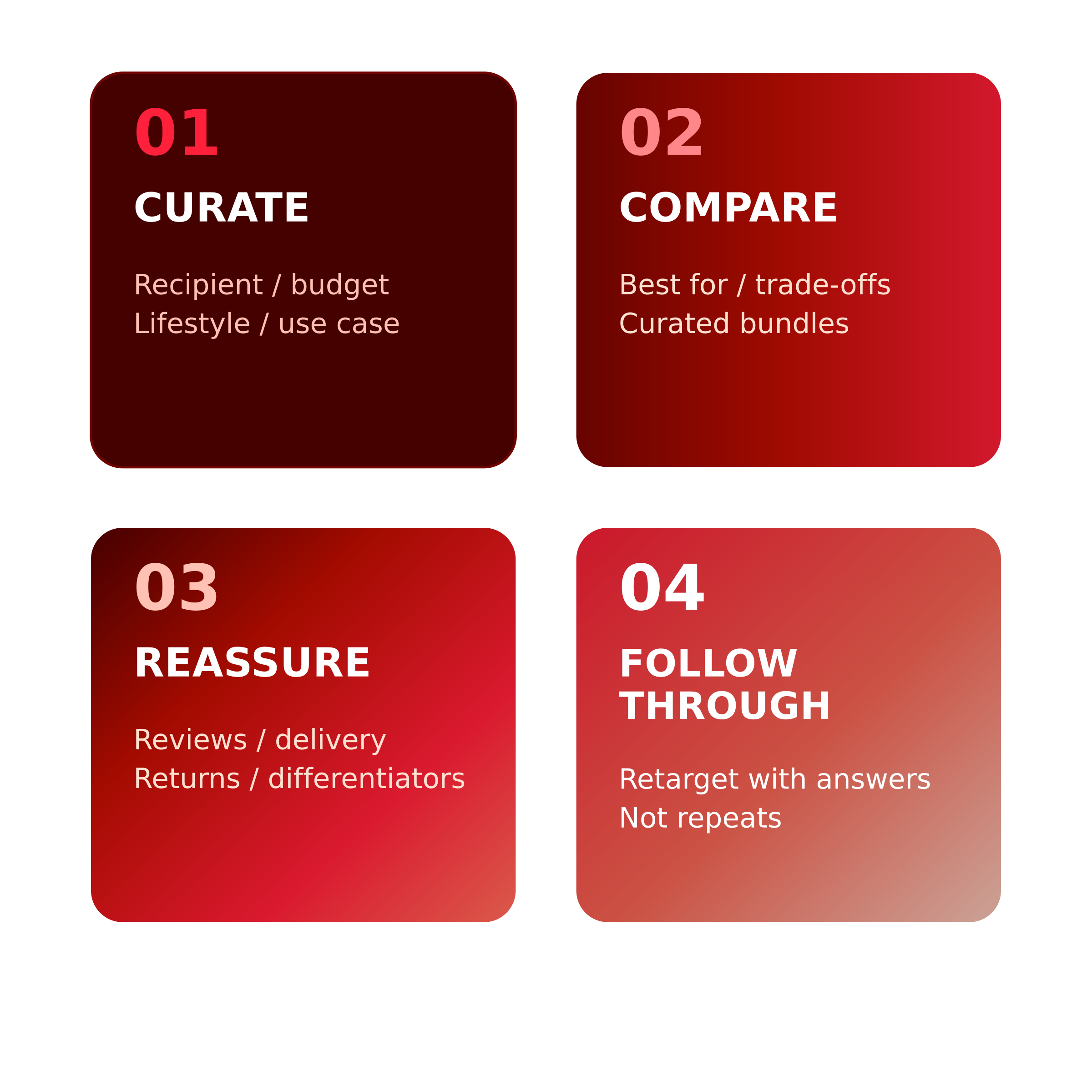
Build guides around recipient, budget, lifestyle and use case, then explain why each product fits. Think "for the frequent traveler," "for the new parent who does not need more clutter" or "host gifts under $50." A 75-product gift guide is still a catalog wearing a Santa hat. A useful guide narrows the field.
Use the language customers already use in search, reviews and service questions. That gives paid media, email and creator partners a more specific story to carry into market, too.
Can a shopper enter through the decision they are actually trying to make - and understand why each recommendation fits?
Make Comparison Part of the Experience
If shoppers are going to compare products anyway, help them do it without leaving your ecosystem.
Add side-by-side tools for similar products. Use "best for" language and spell out meaningful differences in size, material, durability, setup or investment. Be honest about trade-offs; confidence grows faster when the brand sounds like a knowledgeable guide, not a closer working the last hour of the month.
Curated bundles can do the same work. Show what belongs together and give the bundle a job: the starter set, frequent-traveler setup, premium upgrade or under-$100 option. One good comparison can support product pages, organic discovery, paid creative and email at once.
Can shoppers tell the difference between your most similar products in under a minute?
Put Reassurance Where the Doubt Happens
Reviews, delivery dates, return policies and product differentiators should not be treated as footer material. During the holidays, they are conversion content.
Bring relevant reviews closer to the buy box. Make arrival dates and order cutoffs visible before checkout. Explain return windows plainly, especially for gifts purchased weeks before they will be opened. Repeat the most important differentiators across your site, feeds and retail partners.
A polished campaign creates desire. A clear demonstration, honest review or useful answer creates permission to buy. A shopper should not need three tabs to learn whether a gift will arrive on time, fit the recipient or be easy to return.
Can shoppers see the proof, delivery promise and return policy without hunting for them?
Turn Retargeting into Decision Support
Someone who viewed a product three times probably does not need another reminder that the product exists.
They may need a comparison with the next model, a December 24 delivery promise, stronger review proof or a reason the price is worthwhile. Retargeting should answer the next question, not repeat the last ad.
Sequence content around the shopper's likely stage: comparisons and demonstrations for product viewers; recipient or budget ideas for gift-guide visitors; delivery, returns and reviews for cart abandoners; complementary gifts or upgrades for existing customers.
Use paid social, display, search and CRM together so the message advances rather than restarts. The same product image for the sixth time is not reassurance. It is repetition with a media budget.
Does each follow-up answer a new question or add useful proof?
The Q4 Question to Ask Now
Holiday shoppers are not short on inspiration. They are short on confidence that they have found the right thing, at the right value, with enough proof to stop looking.
Instead of asking only, "How do we drive more holiday traffic?" ask:
"What would make this decision easier?"
The answer may be a better gift guide, a comparison module, a stronger review strategy, clearer shipping information or a smarter retargeting sequence. Usually, it is a combination of all four.
Traffic matters. Confidence is what converts it.
Sources
- Zeta Global: The Rise of the Deliberate Shopper: What 7,600 Consumers Told Us About Holiday 2026
- Deloitte: 2025 Holiday Retail Survey
- Accenture: Holiday Shopping 2025
- Bazaarvoice: 2026 Shopper Experience Index
- Think with Google: Decoding 4 AI Holiday Shopping Shifts
